Gravel racing is no longer what it once was. Speeds are higher, courses are becoming more technical and competition is getting increasingly fierce. Where gravel bikes were once primarily designed around comfort, adventure and long-distance riding, modern gravel racing is increasingly about speed and performance. Ridley responded to this evolution early with the first Kanzo Fast, launched in 2020. At a time when the market was still largely focused on endurance and adventure, we brought aerodynamics to gravel racing. With the Kanzo Fast 2.0, we are taking another step forward.

The new Kanzo Fast 2.0 is built around three characteristics that we believe define the next generation of gravel racing: maximum aerodynamic efficiency, clearance for wide tyres and progressive race geometry. The result is a completely new platform that combines speed with the freedom to adapt the bike to the course you are racing. With clearance for tyres up to 58 mm, third-generation Noah Fast aero technology and geometry specifically developed for larger tyres and higher speeds, the Kanzo Fast 2.0 is ready for the next phase of gravel racing.

Clearance for wide tyres
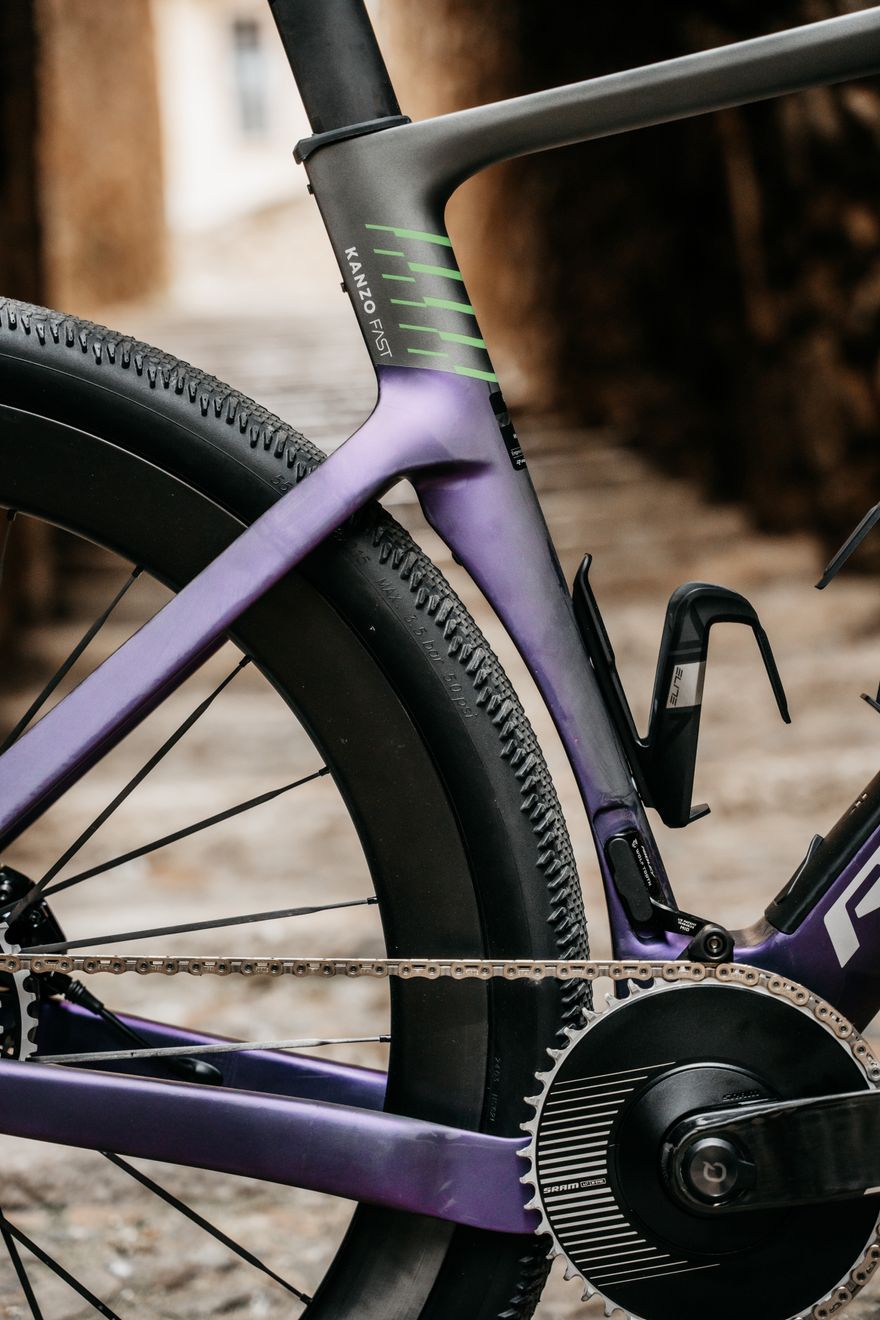
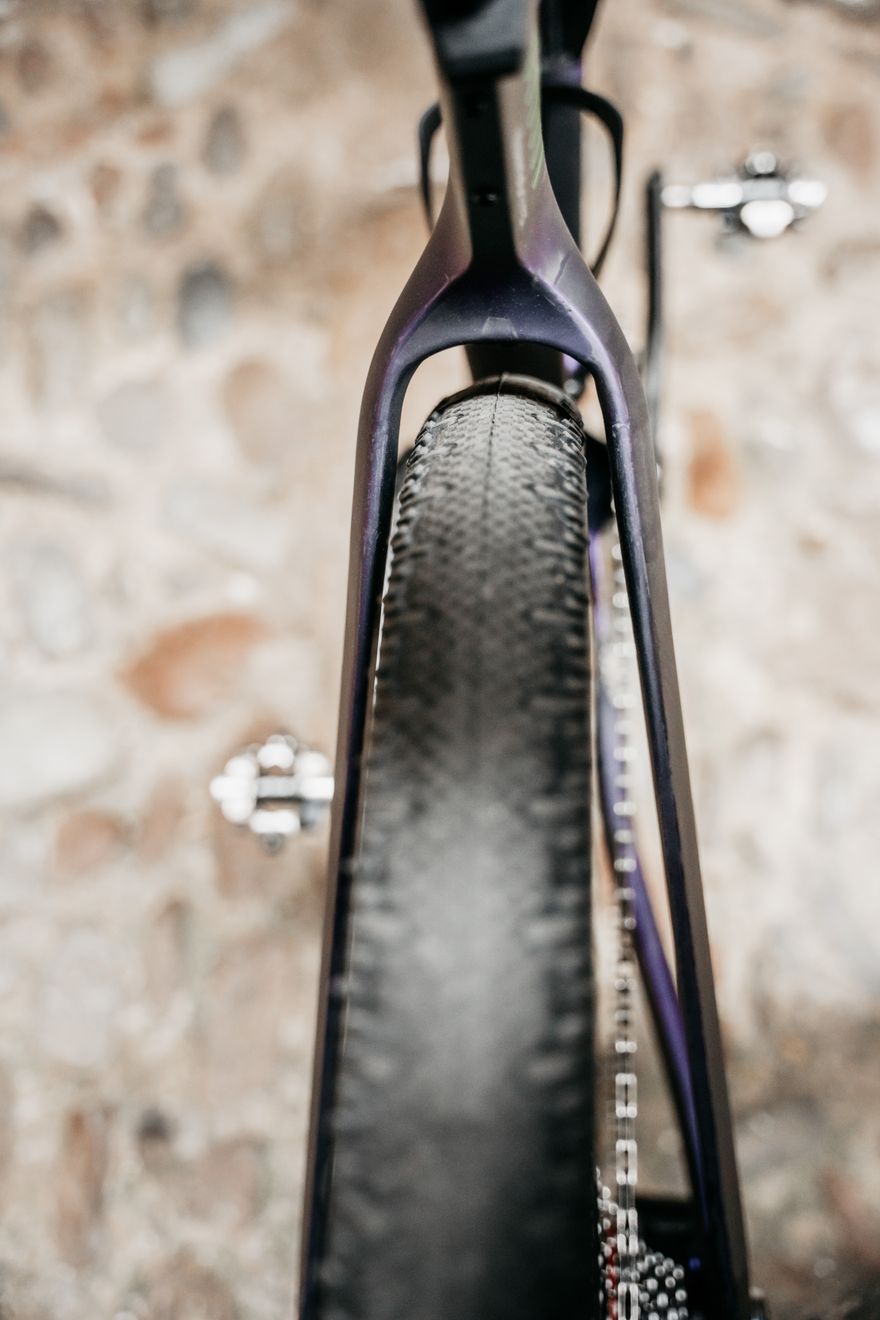
With clearance for tyres of up to 58 mm, the Kanzo Fast 2.0 gives gravel racers exceptional freedom when choosing their tyre setup. This is equivalent to the clearance required for a 29 × 2.3” MTB tyre and opens up new possibilities on rough and technical gravel courses. Wider tyres can provide more traction, greater comfort and lower rolling resistance, meaning the performance gains on rough surfaces can outweigh any potential aerodynamic disadvantage. At the same time, maximum clearance of 58 mm does not mean you always have to ride 58 mm tyres. Choosing narrower tyres provides additional mud clearance and allows the bike to be optimised for wet or technical conditions. This makes the Kanzo Fast 2.0 adaptable to the course, weather and rider preference.
Maximum aerodynamic efficiency
The Kanzo Fast 2.0 brings Ridley’s third-generation aero technology from the Noah Fast to the gravel segment. The oversized aero downtube, extended head tube and optimised frame profiles are designed to manage airflow around the frame and water bottles as efficiently as possible. This is particularly important because wider tyres typically generate more aerodynamic drag. Ridley therefore looked beyond the aerodynamics of the frame itself and considered the bike as a complete system. The frame’s aerodynamic improvements help offset the additional drag generated by wider tyres, allowing the Kanzo Fast 2.0 to remain efficient at high speeds. Wind tunnel testing at the Aero Performance Lab also shows that the new Kanzo Fast 2.0 is faster than its predecessor, both in bike-only and bike-and-rider testing.
Progressive race geometry
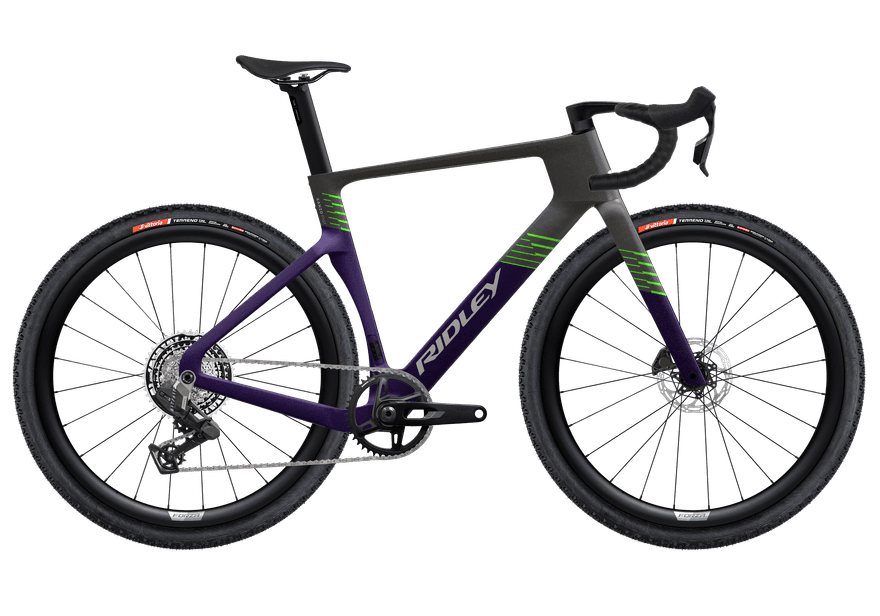
The Kanzo Fast 2.0 features a completely new geometry specifically developed for modern gravel racing with larger tyres and higher speeds. The steeper seat tube angle positions the rider further forward on the bike, making it easier to maintain an efficient aerodynamic position during long, intense efforts. The lower bottom bracket compensates for the larger tyre diameter while also providing additional stability as speeds increase. The fork rake has also been adjusted to accommodate the larger wheel radius. This maintains a nimble and precise steering feel despite the larger tyres. The result is a progressive race geometry that combines speed, stability and control without losing the direct and responsive character expected from a true gravel racer.
KANZO FAST 2 0 packshots 3 22KANZO FAST 2 0 packshots 3 21KANZO FAST 2 0 packshots 3 10
KANZO FAST 2 0 packshots 3 22
Clearance for wide tyres
With clearance for tyres of up to 58 mm, the Kanzo Fast 2.0 gives gravel racers exceptional freedom when choosing their tyre setup. This is equivalent to the clearance required for a 29 × 2.3” MTB tyre and opens up new possibilities on rough and technical gravel courses. Wider tyres can provide more traction, greater comfort and lower rolling resistance, meaning the performance gains on rough surfaces can outweigh any potential aerodynamic disadvantage. At the same time, maximum clearance of 58 mm does not mean you always have to ride 58 mm tyres. Choosing narrower tyres provides additional mud clearance and allows the bike to be optimised for wet or technical conditions. This makes the Kanzo Fast 2.0 adaptable to the course, weather and rider preference.
KANZO FAST 2 0 packshots 3 21
Maximum aerodynamic efficiency
The Kanzo Fast 2.0 brings Ridley’s third-generation aero technology from the Noah Fast to the gravel segment. The oversized aero downtube, extended head tube and optimised frame profiles are designed to manage airflow around the frame and water bottles as efficiently as possible. This is particularly important because wider tyres typically generate more aerodynamic drag. Ridley therefore looked beyond the aerodynamics of the frame itself and considered the bike as a complete system. The frame’s aerodynamic improvements help offset the additional drag generated by wider tyres, allowing the Kanzo Fast 2.0 to remain efficient at high speeds. Wind tunnel testing at the Aero Performance Lab also shows that the new Kanzo Fast 2.0 is faster than its predecessor, both in bike-only and bike-and-rider testing.
KANZO FAST 2 0 packshots 3 10
Progressive race geometry
The Kanzo Fast 2.0 features a completely new geometry specifically developed for modern gravel racing with larger tyres and higher speeds. The steeper seat tube angle positions the rider further forward on the bike, making it easier to maintain an efficient aerodynamic position during long, intense efforts. The lower bottom bracket compensates for the larger tyre diameter while also providing additional stability as speeds increase. The fork rake has also been adjusted to accommodate the larger wheel radius. This maintains a nimble and precise steering feel despite the larger tyres. The result is a progressive race geometry that combines speed, stability and control without losing the direct and responsive character expected from a true gravel racer.

Built for the next generation of gravel racing

The Kanzo Fast 2.0 was developed around a simple belief: the fastest gravel bike isn't necessarily the one with the narrowest tyres or the most extreme aerodynamic shapes, but the one that finds the right balance between the two. That's why the Kanzo Fast 2.0 combines an aerodynamic platform with clearance for tyres up to 58 mm and progressive geometry designed around the higher speeds and larger tyre volumes of modern gravel racing.

The result is a bike that continues to carry speed on fast gravel roads while providing confidence and control when the terrain becomes rougher and more technical. Wide tyres can fully deliver their advantages in terms of traction and rolling resistance, while the aerodynamic properties ensure that as little speed as possible is lost on fast sections.

The Kanzo Fast 2.0 is first and foremost a pure gravel racer. But its versatility makes it equally appealing to anyone who simply enjoys riding fast. From competitive gravel racing to long training rides on unpaved roads, the Kanzo Fast 2.0 gives you the freedom to adapt the bike to whatever the day demands.

Gravel racing is evolving. The Kanzo Fast 2.0 is ready for what comes next.

Kanzo Fast 2.0

Gravel Racing Redefined

The Kanzo Fast 2.0 is Ridley’s pure aero gravel racer, developed for a new generation of gravel racing. With advanced aerodynamics, clearance for tyres up to 58 mm and progressive race geometry, it combines speed with control and versatility. On fast gravel roads, the bike benefits from its aerodynamic efficiency, while wider tyres provide additional grip, comfort and speed on rough surfaces. The progressive geometry delivers stability as speeds increase without sacrificing the direct and nimble character expected from a true race bike. The Kanzo Fast 2.0 is built to race, but not exclusively for professional riders. Anyone who simply enjoys riding fast gets a bike that adapts to different courses and conditions. A pure gravel racer that never loses sight of speed.

Read more