How the Kanzo Fast 2.0 Came to Life: Behind the Scenes of a New Gravel Racer
When Ridley launched the first Kanzo Fast in 2020, the gravel world looked very different. Gravel was largely about adventure, long distances and comfort. Yet Ridley already saw opportunities for a different approach. If gravel racing became faster, aerodynamics would also play a more important role. The first Kanzo Fast was developed with that idea in mind. Six years later, it is clear that the sport has indeed moved in that direction. Average speeds are higher, races have become more competitive and the courses have changed as well. At the same time, gravel racers have increasingly started using larger tyres. That evolution formed the starting point for the Kanzo Fast 2.0.

A New Generation of Gravel
That testing led to an important finding. On rough surfaces, wide tyres can offer advantages in terms of rolling resistance, traction and comfort. Those gains can outweigh the aerodynamic disadvantage of a larger tyre. This created an interesting starting point for the new Kanzo Fast. Why develop a gravel race bike around one specific tyre size if the course can present so many different demands?
The engineers therefore opted for much greater tyre clearance. The Kanzo Fast 2.0 accommodates tyres up to 58 mm, comparable to a 29 × 2.3-inch MTB tyre. Riders tackling rough surfaces can use that clearance for a high-volume tyre. Those riding narrower tyres, on the other hand, retain more clearance for mud.
The Knowledge Behind the Noah Fast
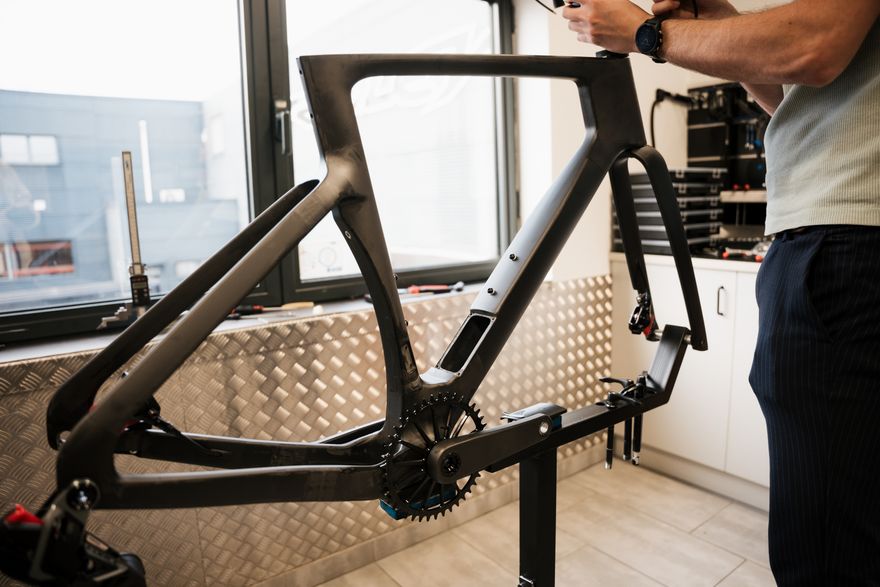
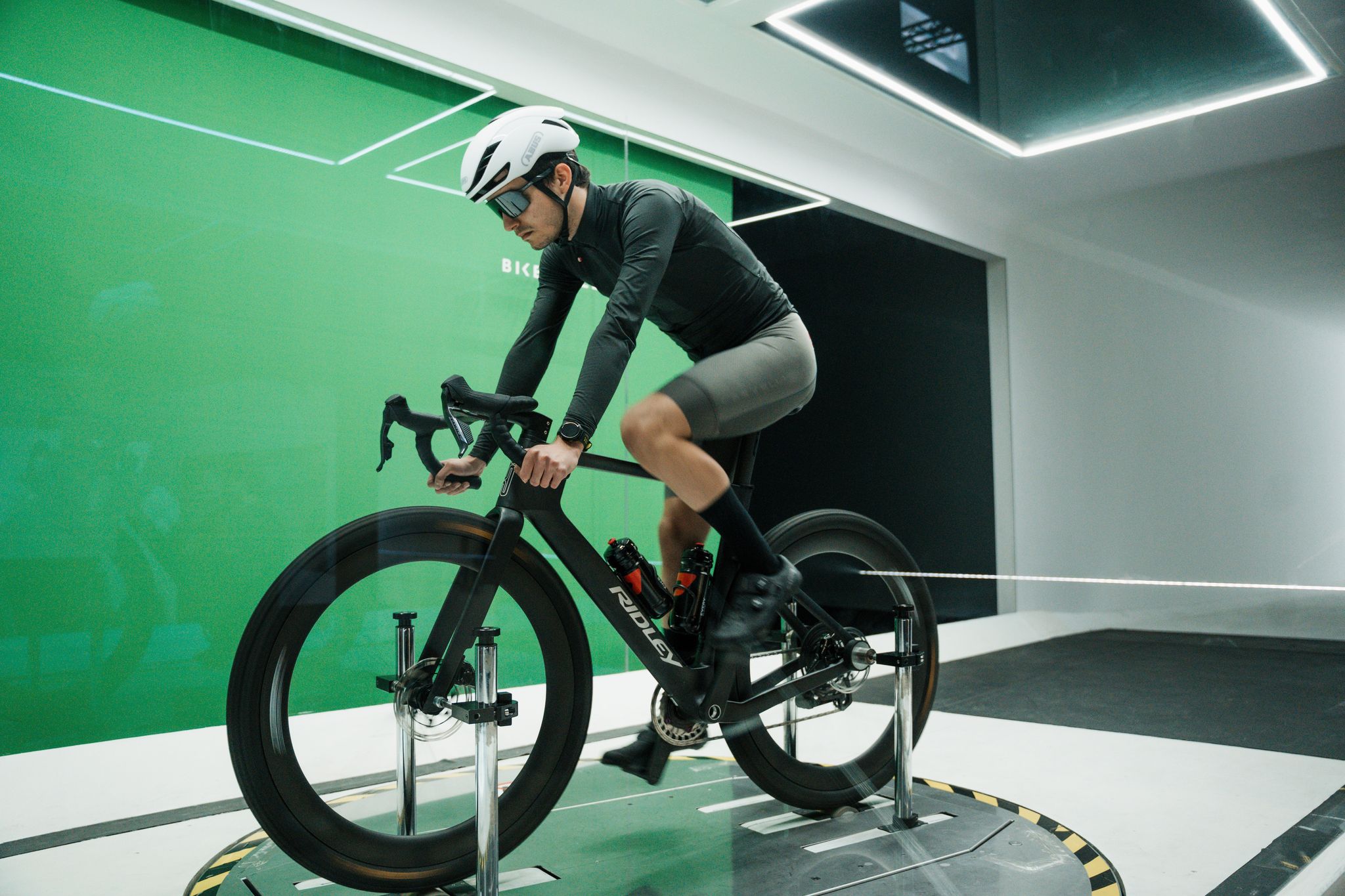
The challenge had only become greater because of the choice of wide tyres. A wide gravel tyre creates more aerodynamic drag. That is why the Kanzo Fast 2.0 was not developed by looking only at the frame, but at the way the complete bike moves through the air. The aerodynamic knowledge from the Noah Fast was translated into a gravel platform with an oversized aero downtube, an extended head tube and revised frame profiles.
This also led to a significant change in the frame design compared with the first Kanzo Fast. The aerodynamic elements are more pronounced and the frame was designed around the combination of high tyre volume and efficient airflow. That sounds simple on paper, but the two objectives work against each other at various points. The engineers therefore had to constantly find room for the tyre while simultaneously aiming to keep the airflow around the frame and bottles as efficient as possible.
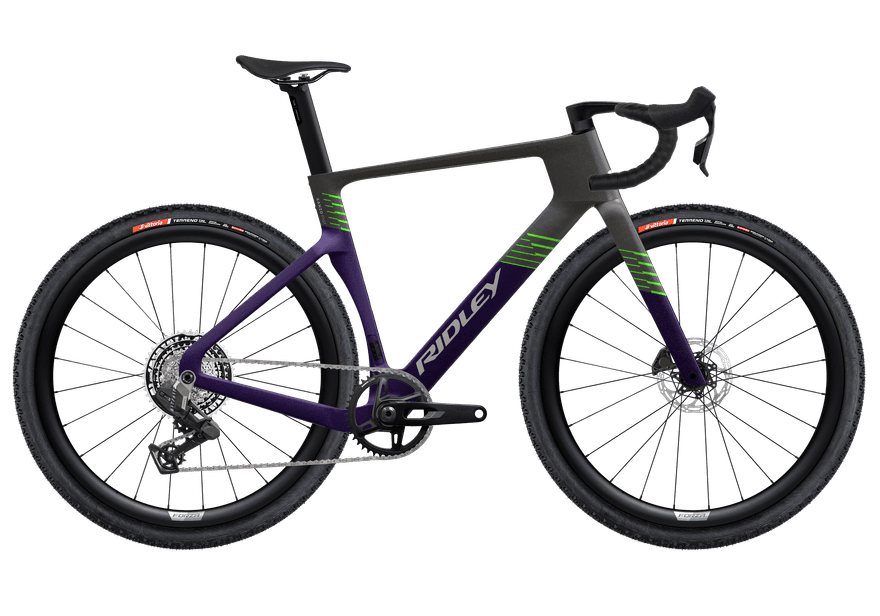
Kanzo Fast 2.0
Gravel Racing RedefinedThe Kanzo Fast 2.0 is Ridley’s pure aero gravel racer, developed for a new generation of gravel racing. With advanced aerodynamics, clearance for tyres up to 58 mm and progressive race geometry, it combines speed with control and versatility. On fast gravel roads, the bike benefits from its aerodynamic efficiency, while wider tyres provide additional grip, comfort and speed on rough surfaces. The progressive geometry delivers stability as speeds increase without sacrificing the direct and nimble character expected from a true race bike. The Kanzo Fast 2.0 is built to race, but not exclusively for professional riders. Anyone who simply enjoys riding fast gets a bike that adapts to different courses and conditions. A pure gravel racer that never loses sight of speed.
Read moreGeometry That Adapts to the Tyres
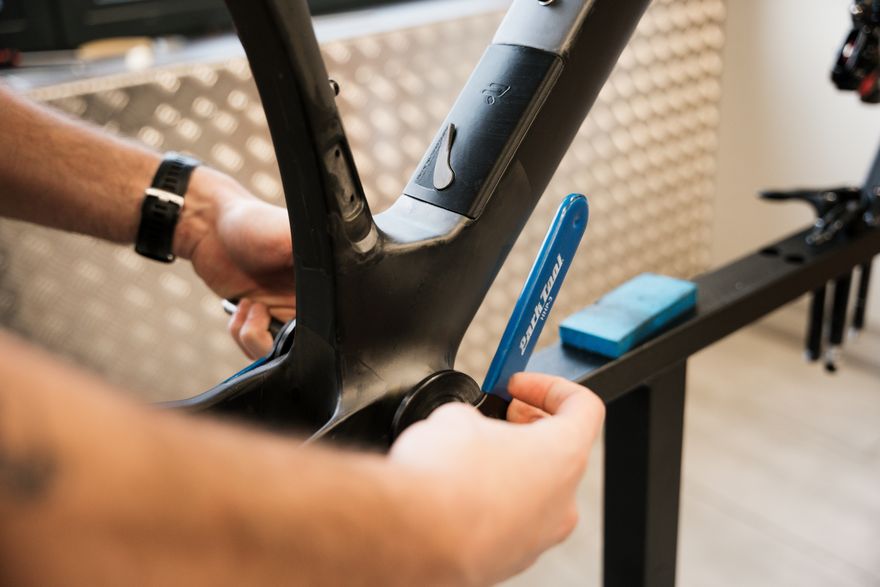
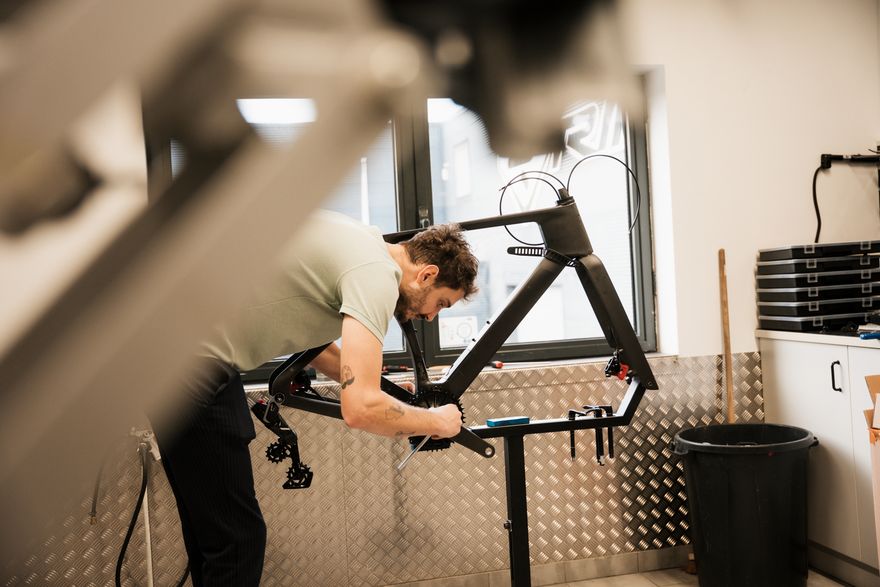
The rear end of the bike also received a great deal of attention. The Kanzo Fast 2.0 was designed around electronic 1x drivetrains. This choice gave the engineers the freedom they needed to make optimal use of the space around the tyre and chainring while keeping the chainstays as short as possible. It is precisely in areas like these that much of the development work takes place: not in one spectacular innovation, but in finding the right solution when different technical requirements come together.
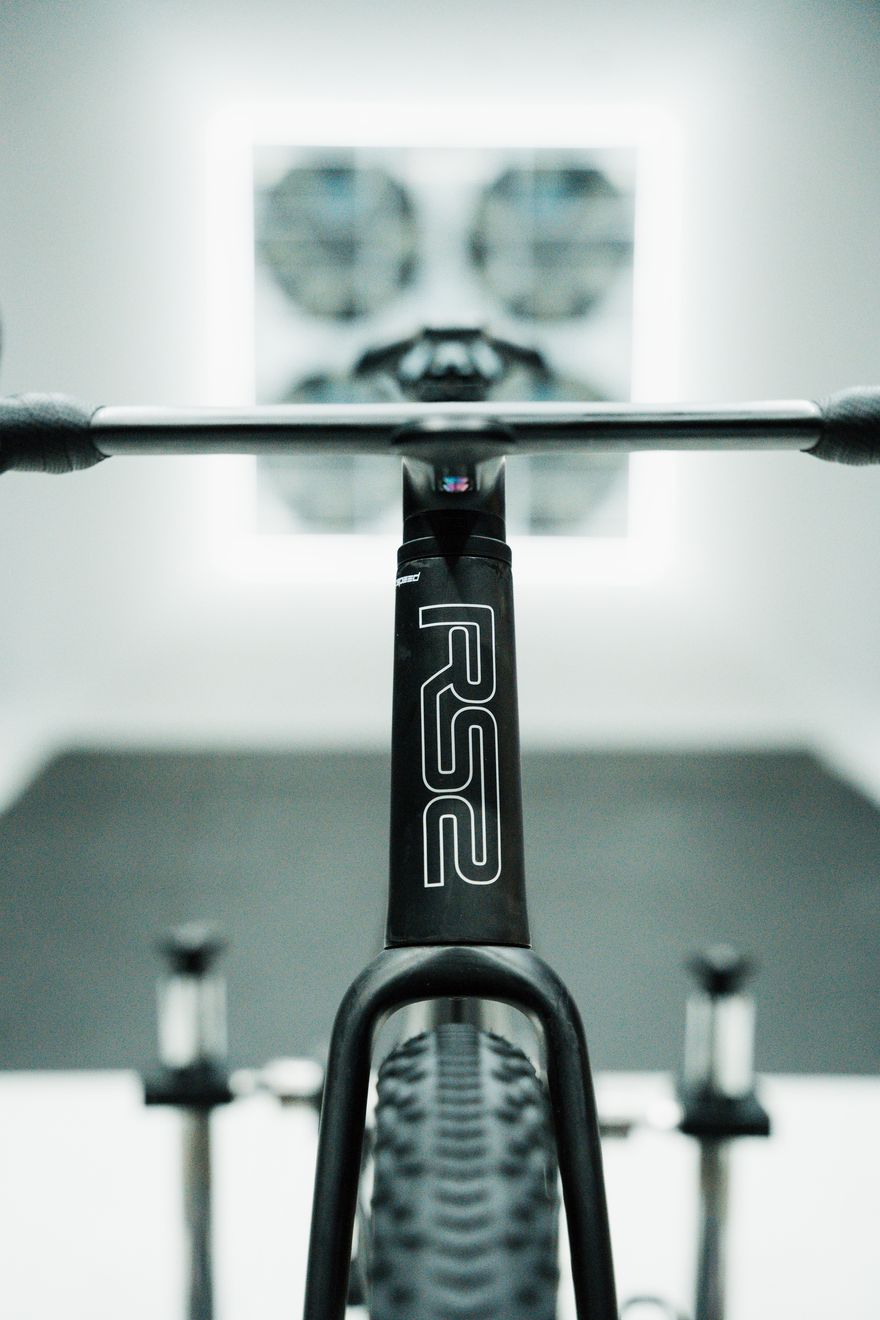
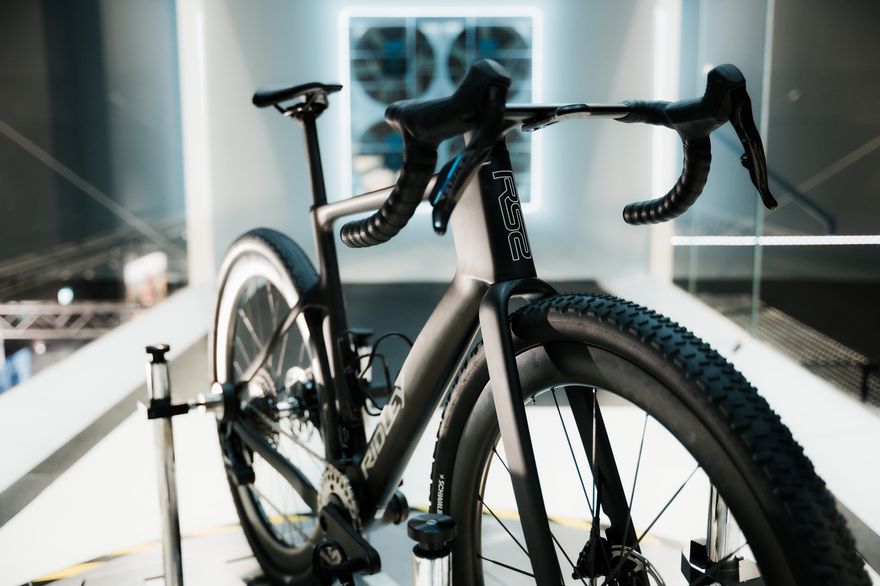
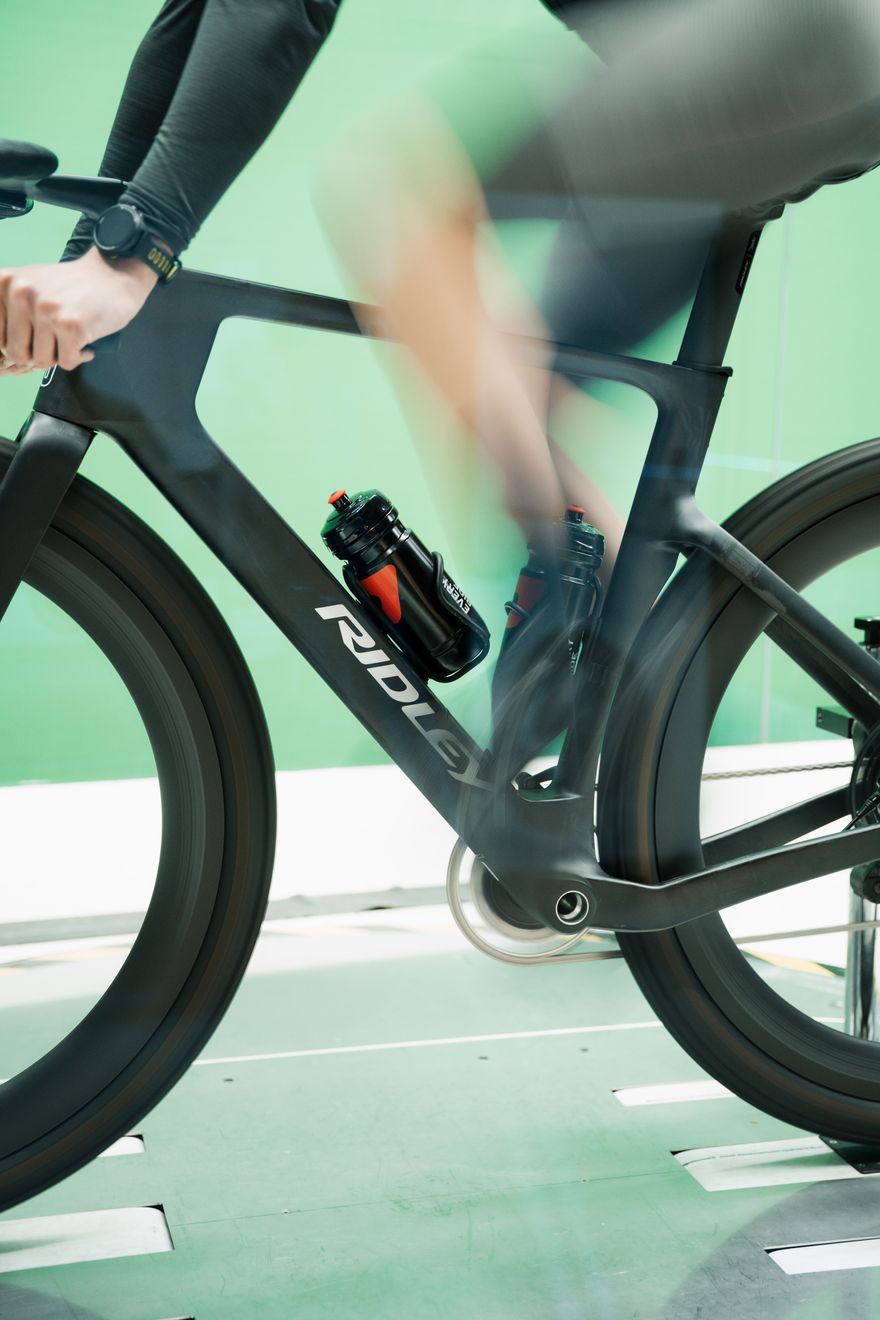

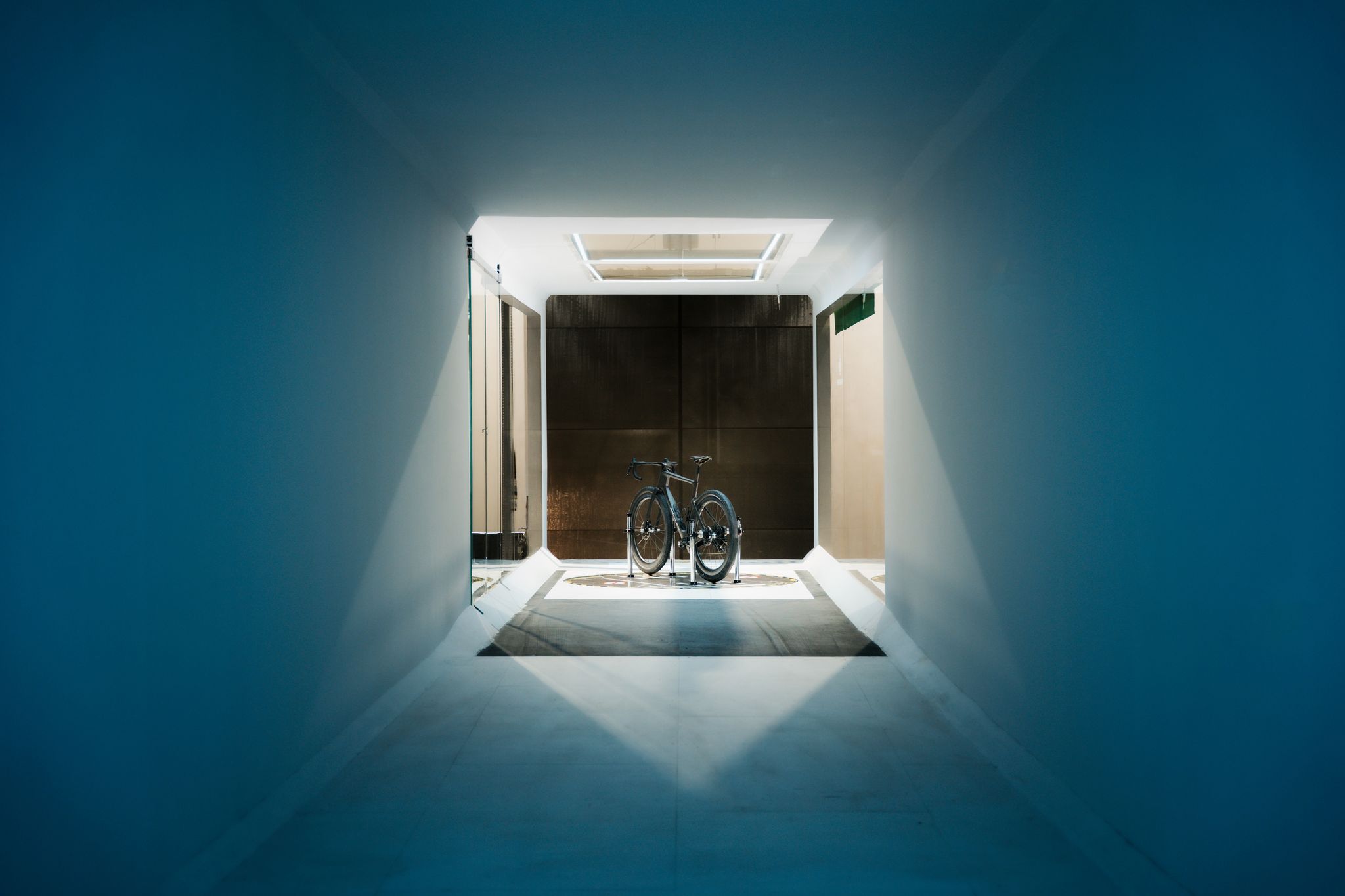
The wind tunnel doesn’t lie
Testing with Real Tyres, on Real Gravel
The previous Kanzo Fast was also included in the test programme. With the same wheels and 38 mm Vittoria Terreno Dry tyres, the new bike was 2 watts faster in a test involving the bike alone. With rider and bike, the difference increased to 13 watts. The first race kilometres came relatively early in the process. Pieter Potters, Head of Product at Belgian Cycling Factory, used the bike during The Traka 2026. This brought a project that had been developed within the development department for a long time into the real world, alongside other gravel racers, for the first time.
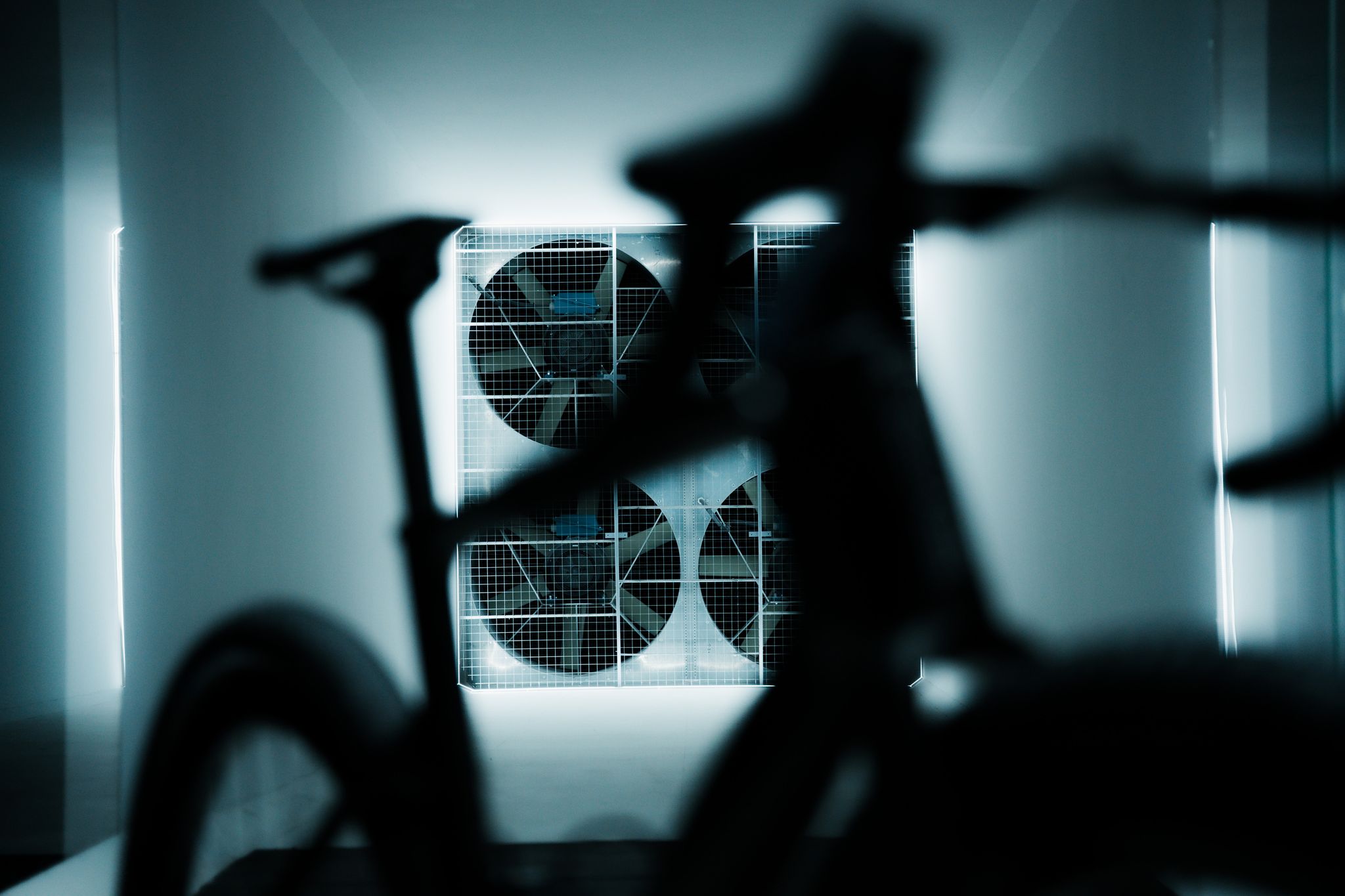
Small Details
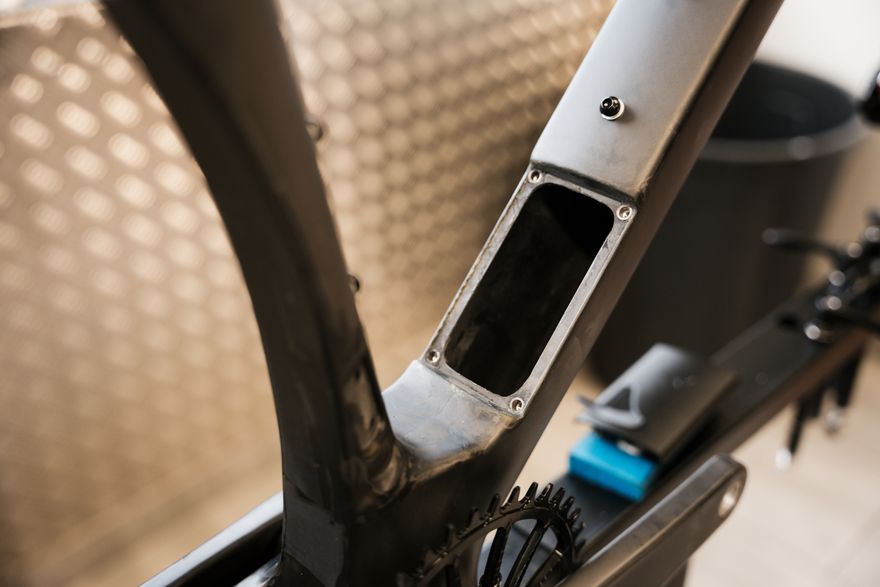
The bike comes with two padded storage bags, allowing the rider to decide how much equipment they want to carry. Integrated mounting points for a bag were also provided on top of the top tube. For winter use, a specific mudguard system was developed together with Belgian company Curana. With these mudguards fitted, there is still clearance for tyres up to 47 mm. Electronic 1x systems were deliberately chosen for the drivetrain. This allowed the frame to be designed around the available space for the tyre and chainring. Chainrings of up to 56 teeth fit the bike.
The Kanzo Fast 2.0 is the culmination of our gravel expertise. With the Kanzo Adventure and ASTR platforms, we have already paved the way for wider tyres and established a strong baseline for a highly capable gravel geometry. This deep understanding of gravel riding and racing is complemented by our class-leading aerodynamics, validated in WorldTour road racing. The result is what we consider the pinnacle of gravel race bikes.
Pieter Potters CTO Belgian Cycling Factory
Ultimately, many of these choices come together in a single bike. The generous tyre clearance, aerodynamic design, new geometry, short rear end, internal storage and various practical solutions can all be traced back to the same development question with which the project began: how do you create a gravel race bike that fits the way gravel is ridden and raced today?
In summary, the Kanzo Fast 2.0 is the result of a development process in which different areas of expertise came together. The gravel experience from the Kanzo Adventure and ASTR, the aerodynamic development of the Noah Fast, thousands of test kilometres, wind tunnel testing and real-world feedback all came together in a new platform.
And perhaps that is ultimately the most interesting thing about this bike: you can see the development process reflected in almost every part of the frame.